
For millions of people living with hepatitis C who have never engaged with traditional healthcare, the cure will remain out of reach unless services decide to meet them where they are.
This case study will explore how the team at Arizona Liver Health used a community outreach model to overcome the barriers that keep thousands of people in Arizona from getting tested and treated.
Arizona Liver Health was founded in 2017 by hepatologists and infectious disease specialists committed to eliminating hepatitis C. By 2021, despite years of dedicated work, the state received a failing scorecard on hepatitis C testing and treatment, with clinics treating just 150 people a year. It was clear that people most affected by hepatitis C were not reaching clinics, the clinics needed to reach them.
Barriers to accessing care included stigma, treatment misconceptions and multistep care pathways which allowed loss to follow up. It is estimated that 40-50% of those living with hepatitis C in the USA had attempted treatment at a point, only to fall out before completing it. This means decades with a known diagnosis, failed attempts to access treatment and a belief that they will never be cured.
—
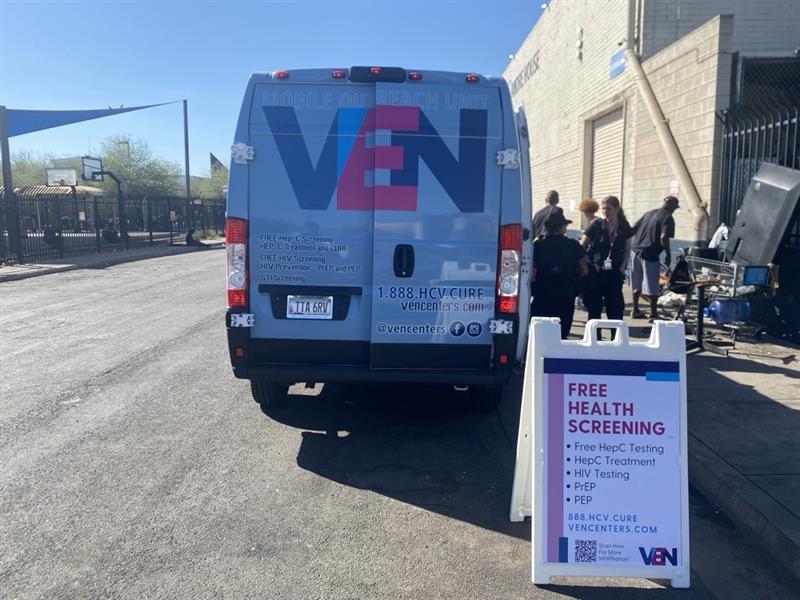
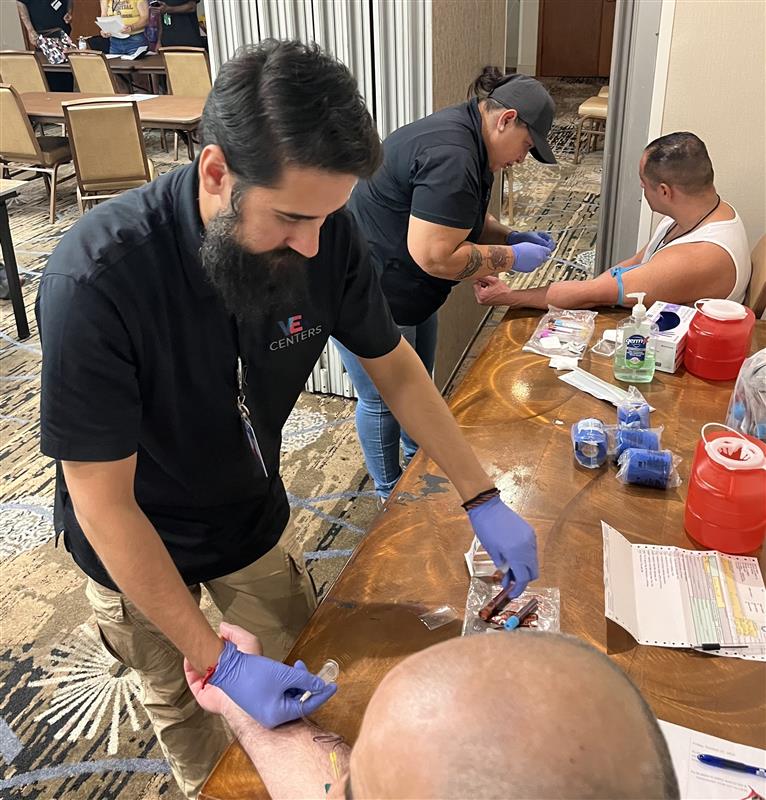
In July 2023, Arizona Liver Health launched its Viral ElimiNation (VEN) Centers programme, built on one principle, go where people are. The team took antibody tests and phlebotomy supplies to encampments, shelters, re-entry centers, bus stops and community events. Each team member was trained in phlebotomy, and telehealth consultations with hepatologists were arranged in real time from the field.
Trust was built through consistent presence. The team arrived with food and water before initiating testing and returned to the same location week after week.
‘After the third or fourth time of just giving somebody food and water, eventually, they say: you’ve shown you’re not going to keep coming here for just this one reason. Now I’m interested’
Activities also included education on hepatitis C, highlighting that it could affect anyone and addressing the stigma that was impacting testing uptake. In one northern Arizona community, over 60% of attendees had never heard of hepatitis C and had never been tested.

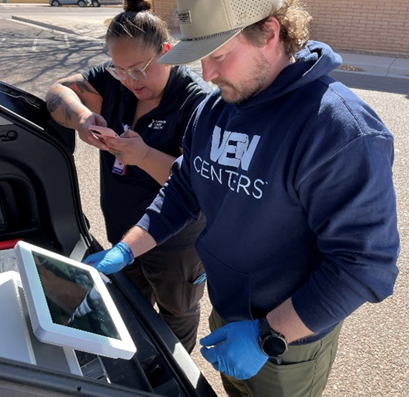
The introduction of approved point of care (POC) RNA testing transformed the simplified care pathway further. Where standard laboratory processing took 48 – 72 hours, confirmed viraemia could now be confirmed within 45-60 minutes, allowing prescriptions to be written and people knowing their status and how to access treatment. 126 people were tested through POC testing.
Initially, the team were sceptical about whether POC testing would meaningfully change what they were already doing but found the impact immediate and clear.
’[We were] very sceptical of how this would actually elevate our programme and have been happily surprised with the implementation and the success we’ve seen out in the community’
A confirmed diagnosis allowed the team to swiftly move into a solid treatment plan for people whilst they are still present and engaged.
—
Within 18 months the VEN programme scaled from 150 patients treated annually to 150 treated every month.
The programme also highlighted that the idea that people living with hepatitis C should meet the system halfway, is false. For many people that the programme served, their daily lives were not simple. The idea that they should prioritise appointments over real life circumstances was unrealistic. The programme responded by meeting people more than halfway as much as possible.
‘They can’t meet us halfway, we have to be willing to go further than that’
The VEN programme demonstrates what is possible when healthcare systems stop waiting for people to arrive and start creating ways to meet them where they are.
The model sets out approaches that can be easily replicated:

Accelerating access to hepatitis C testing and treatment is a possible reality. Reducing every step of the care pathway from first contact to treatment and by meeting people where they are, makes elimination possible.
Looking ahead, the team is keeping an eye on early stage research into long acting injectable DAA’s that could reduce the treatment journey to a single encounter.